Translate

Wednesday, March 7, 2018

recipes and mouthwatering photos would take eons.

Choosing which food blogs to follow can be overwhelming. Scrolling through all those recipes and mouthwatering photos would take eons. And deciphering nutrition fact from fiction and personal anecdotes from expert-backed advice is no easy task. That's why we've highlighted some of the most helpful, beautiful, and next-level sources out there.
The blogs below contain out-of-this-world recipes, insightful posts on diet trends, and realistic tips to help you eat smarter—whether you're Paleovegetariangluten-free, or just happen to love food.

The Best Blogs for Healthy Recipes

Vegetarian

After her father had a heart attack, Erin Alderson (whose initials are ELLA) broke up with fast food and all processed meat. Her blog features seasonal vegetarian recipesthat are pantry-inspired. Despite ditching Big Macs, Alderson doesn't believe in being obsessive or counting calories (her philosophy is simply to exercise and eat well). Given the results—beautifully photographed whole foods we want to gobble up immediately (curried vegetarian meatballs, we're looking at you!)—it's easy to see why her approach works.
Few things are more disappointing than finding what seems like the perfect recipe only to click and learn that it has more than 20 ingredients, several of which you've never heard of. True to its name, Minimalist Bakerkeeps things simple by sticking to 10 ingredients or less and limiting cook time to 30 minutes tops. Bonus: The recipes are anything but boring! From General Tso's tofu stir fry (pictured) to spicy buffalo chickpea wraps to toasted coconut pancakes, the culinary duo (John and Kate) really know how to pack tons of flavor into simple and oh-so-delicious dishes.
Food Heaven Made Easy sounds like the name of an amazingly delicious food delivery service, but don't be fooled. The blog is actually a compilation of recipes, cooking videos, and nutrition tips. Adorable and extremely well-dressed dietitians Wendy Lopez and Jessica Jones appear in every video, teaching home cooks (no matter how strapped for time or inexperienced in the kitchen) that making healthy recipes from scratch is possible.
Back in 2003, Heidi Swanson launched 101 Cookbooks with the goal of cooking through her monstrous collection of recipe books. More than 10 years later, the blog (which we want to live in, it's so gorgeous) focuses on natural, whole foods and Heidi's travels. Naturally it has won multiple awards, been featured in countless publications, and even turned into two bestselling cookbooks. Her latest, Near & Far: Recipes Inspired by Home and Travel, came out in late 2015.
The globe-trotting family behind Green Kitchen Stories is hardly stuck on one type of cuisine. David and Luise met while studying in Rome before moving to Stockholm to start a family. They document their vegetarian cooking experiments on the blog, and they believe variety is the most important thing in a diet. Don't forget to follow them both on Instagram; David's and Luise's accounts will inspire you to live and eat better every day.
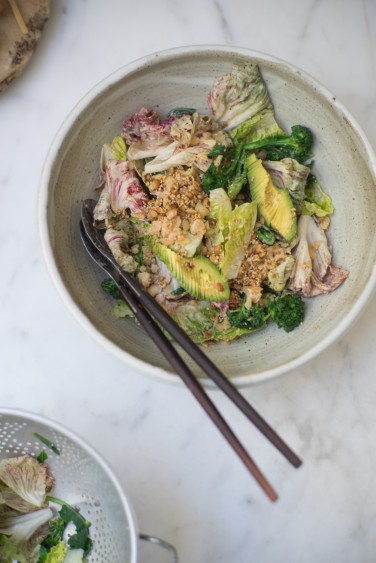
A self-taught cook, Sarah Britton started blogging in 2007 to share her knowledge of holistic nutrition. (She attended the Institute of Holistic Nutrition in Toronto.) She's passionate about whole and vegan food—and creates mouthwatering recipes that prove it. You'll find everything from chunky chocolate buckwheat granola to sweet potato noodle soup (pictured). We love that you can also pick recipes by season.
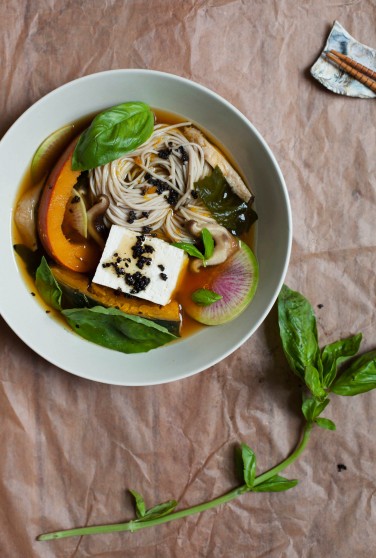
Anya Kassoff was born and raised in Russia but now calls Florida home. She believes that the healthiest food is also the best-tasting food. Ant it doesn't hurt that her recipes, which are shot by her oldest daughter, are stunning. You'll find everything from a simmered squash soba bowl (pictured) to more indulgent dishes, like this rum and raisin bundt, which was inspired by a craving for her childhood favorite Russian rum babka.

Vegan

In 2015, Gena Hamshaw changed the name of her blog from Choosing Raw to The Full Helping. Now she posts recipes that are less extreme, although she is still inspired by her raw food background. Check out this gluten-free plum and blackberry crisp (pictured) or her totally addictive creamy cashew carrot dressing and quinoa bowl. As a certified nutritionist, Hamshaw brings lots of nutritional wisdom to the kitchen. She is also candid about being in recovery from anorexia and orthorexia and uses her site to encourage others to heal their broken relationship with food (often through plant-based diets).
All kinds of mouthwatering, plant-based dishes (including chickpea, quinoa, and turmeric currycoconut and raspberry mousse; and sage and apricot nut roast with cranberry sauce) are turned out in Ella Woodward's sunny U.K. kitchen. But not everything here is sunbeams and smoothies: This blog is the result of the author's struggle with postural tachycardia syndrome, a rare and devastating disease that prompted her to revamp her diet and ditch processed foods.
Raw almond chocolate chip cookiespumpkin spice latte granolavegan tofu and cashew fried rice—workout fuel has never looked so good. Written by an avid triathlete and certified trainer, Running on Real Foodcovers nutritionally dense foods and fitness in a relatable way. Best of all, the author's healthy-eating philosophy is an open door: "There's no right or wrong way to eat healthy... We're all different with different nutritional requirements; however we all need to eat whole, nutritious foods. Start there." We couldn't have said it better 

Nearly all of them are dairy- and gluten-free, using whole food ingredients.


The following is a list of my favorite recipes featured on my blog over the years. Nearly all of them are dairy- and gluten-free, using whole food ingredients.


Watch: Creative Recipes Using Ice Cube Molds

Try out these original delicacies using ice cube molds. Don't forget the strawberries and herbs must be cleaned thoroughly

Watch: Creative Recipes Using Ice Cube Molds

There are lots of wholesome ways to increase your protein intake without resorting to meat.bonus

on this 5 months I not going to post things about kids sorry


These days, protein seems to be the superstar nutrient – and for good reason. Gram for gram, it’s more satisfying than carbohydrates or fat – meaning it keeps you fuller, longer. Protein is also essential for repairing and building muscle and keeps your metabolism humming along.
The daily recommended dietary allowance is 0.8 grams of protein per kilogram of body weight. For most adult men and women, that translates to 46 to 56 grams of protein each day. For reference, a 3-ounce, fist-sized hamburger delivers 24 grams of protein.
Some say Americans get adequate or even too much protein; others argue we could safely eat more than what’s recommended (and perhaps should).
If you’re looking to up your protein intake, that doesn't necessarily translate to “eat more meat.” Plus, you’re likely aware of ways to add meat-based protein to your diet – with beef, chicken, turkey, seafood, etc. Though animal-based protein delivers all of the essential amino acids we need, you can absolutely get sufficient protein from plant-based sources.

Here are 21 easy, alternative ways to add protein to your diet:

  • 1 cup peanuts: 41 grams of protein.
  • 1 cup pumpkin seeds: 39 grams.
  • 1 cup cheese (Swiss, mozzarella, Colby Jack): 36 grams
  • 1 cup tempeh: 34 grams
  • 1 cup low-fat cottage cheese: 28 grams
  • 1 cup oats: 26 grams
  • ½ cup tofu: 22 grams
  • 1 cup non-fat Greek yogurt: 22 grams
  • 1 cup kidney beans: 21 grams
  • 1 cup white beans: 19 grams
  • 1 cup pinto beans: 19 grams
  • 1 cup lentils: 18 grams
  • 1 cup edamame: 17 grams
  • 1 cup lima beans: 15 grams
  • 1 veggie burger: 11 grams
  • 2 tablespoons peanut butter: 9 grams
  • 1 cup tofu yogurt: 9 grams
  • 1 cup cooked quinoa: 8 grams
  • 1 cup skim milk: 8 grams
  • 1 cup soymilk: 7 grams
  • 1 tablespoon miso: 2 grams

Thursday, March 1, 2018

how kids work beter


wen kids make their home work. they need hugs because , brain works better .end wen they are board  just hag them


Who doesn’t like hugs? Well, speaking from our point of view we think hugs are fabulous and most of you reading this will probably agree about the wonderful feelings hugs can create. But why do we like hugs so much? In today’s article we’ll tell you about the power of hugs and explain some of the health benefits of both giving and receiving them.
Hugs can come from anyone, be it a friend, a family member, a loved one, your partner, or just a person who sympathizes with you. This embrace is considered to be one of the primary displays of affection between human beings. Keep reading to discover the health benefits and power of hugs.

Emotional benefits of an embrace

Studies have shown that hugs cause the brain to release endorphins, and this leads to better healing throughout the entire body. In addition to that, an embrace is a form of therapy that generates feelings of well-being, and can reduce blood pressure or even menstrual pain in women. A hug can also ease a headache, and reduce anxiety, stress, or depression. It may build self-esteem, calm the nerves, remind you that you’re not alone, cure insomnia, help you overcome fear, stimulate the senses, bring you joy, calm the soul, and some people even claim that it slows the aging process and helps control appetite. 
power of hugs

Hugging another person also has positive physiological benefits to the body. The secretion of oxytocin, a hormone, is one of them. Oxytocin is known as the attachment or bonding hormone, and it’s not just for children – it improves the quality of life in people regardless of what their age is. There are so many benefits of hugs that “hug therapy” is actually used to treat depression and other psychological disorders.
Hugs also release other hormones like serotonin and dopamine, which have a sedative effect on the body, producing sensations of tranquility, wellness, and calmness. But most interesting is that this effect is not only produced during the embrace, but can persist for long after physical contact. One curious note is that scientific studies have shown that embraces and caresses have a greater effect on women than men, but that both groups do benefit.


Image result for hugs

Related image

behave better

Image result for kids play out said

plaing with kids

LINKEDINCOMMENTMORE
Kids who spend a little time playing video games each day might be more well-adjusted than those who never play, a new study suggests.
Researchers found that kids who played video games for less than one hour a day were more likely to be happy, helpful and emotionally stable than kids who never grab a controller, according to findings published online Aug. 4 in the journal Pediatrics.
More than three hours daily of gaming had the opposite effect, however. Video game junkies were more likely to be moody, unhappy with their life and apt to act out in negative ways.
Either way, parents should not expect video games to have much sway over their teen's emotional growth, said lead researcher Andrew Przybylski, an experimental psychologist at the Oxford Internet Institute, part of the University of Oxford in England.
Results showed that time spent playing video games has a maximum 1.6 percent overlap with a kid's social development, whether positive or negative.
Other factors likely play a much more important role in a child's emotional health, including the stability of their family life, their relationships at school and whether they are impoverished or deprived, the researchers concluded.
"There's no doubt there's a statistically significant link, but the effect is so small that researchers should question whether this relationship is practically significant," Przybylski said.
To examine both the positive and negative effects of gaming, researchers assessed the video game habits and emotional growth of nearly 5,000 British boys and girls aged 10 to 15.
Each kid reported the number of hours they spent each day playing console-based or computer video games. Participants also filled out a series of questionnaires to determine their emotional health and development.
Three out of four British kids play video games on a daily basis, the researchers discovered.
No effects were found for kids who played between one and three hours a day. They had about the same emotional development as those who never played.
Kids who played less than an hour a day tended to be more happy with their life, more helpful and kind to others and less likely to brood over problems or act out, the study showed.
The opposite held for kids who played more than three hours, a finding that has been reflected in earlierresearch on video games.
There's one likely reason for the positive impact that came from a minimum amount of gaming,  -- the kids are having fun.
"When kids are having fun and are at play, you'd expect them to be happy, right?" he said.
Other experts agreed. "Video games are good at challenging players to solve problems, and overcoming those problems can be very gratifying," said Dr. Paul Weigle, a pediatric and adolescent psychiatrist in Mansfield Center, Conn. "They can have a benefit for teaching problem-solving and persistence."
A kid who plays some video games also might find it easier to socially connect with classmates than those who don't, Weigle added.
"Friendships are often based on mutual interests," he said. "For better or worse, most kids are spending a substantial amount of time playing video games. Kids who aren't playing video games can feel left out of the conversation."
Weigle noted there could be other explanations outside video games for the results found in the study.
For example, a kid who plays video games less than an hour a day may benefit from caring parents who are more engaged and limiting their child's time in front of the computer or television. By the same token, a teen who never plays video games may live in a financially strapped, stress-filled home.
The findings do lend support to the American Academy of Pediatrics' recommendation that parents limit children's video game or screen time to an hour or less a day, Weigle said.
"Unfortunately, that's very different from the average media intake of American kids, which has been an average of seven hours of electronic media every day, and two hours of that video game play," he said.
Noting the small impact that video games exhibited on emotional growth, Przybylski said concerned parents who want to help their child's development would do best to spend more time with them -- even if that means grabbing a controller and sitting down next to them.
"Active engagement -- maybe even playing video games with your child -- will give you a better understanding and provide you valuable insights into why your child is playing and what they're getting out of that," he said.